About the Banggai Archipelago
A scatter of islands and reefs in Central Sulawesi, the Banggai Archipelago, or Banggai Islands Regency feels built for slow cruising. For divers, it’s a place shaped by steep walls, deep channels, and long underwater ledges; for cruise travellers and snorkelers, it’s a quiet corner of Indonesia where daily life still follows the rhythm of tide and wind.
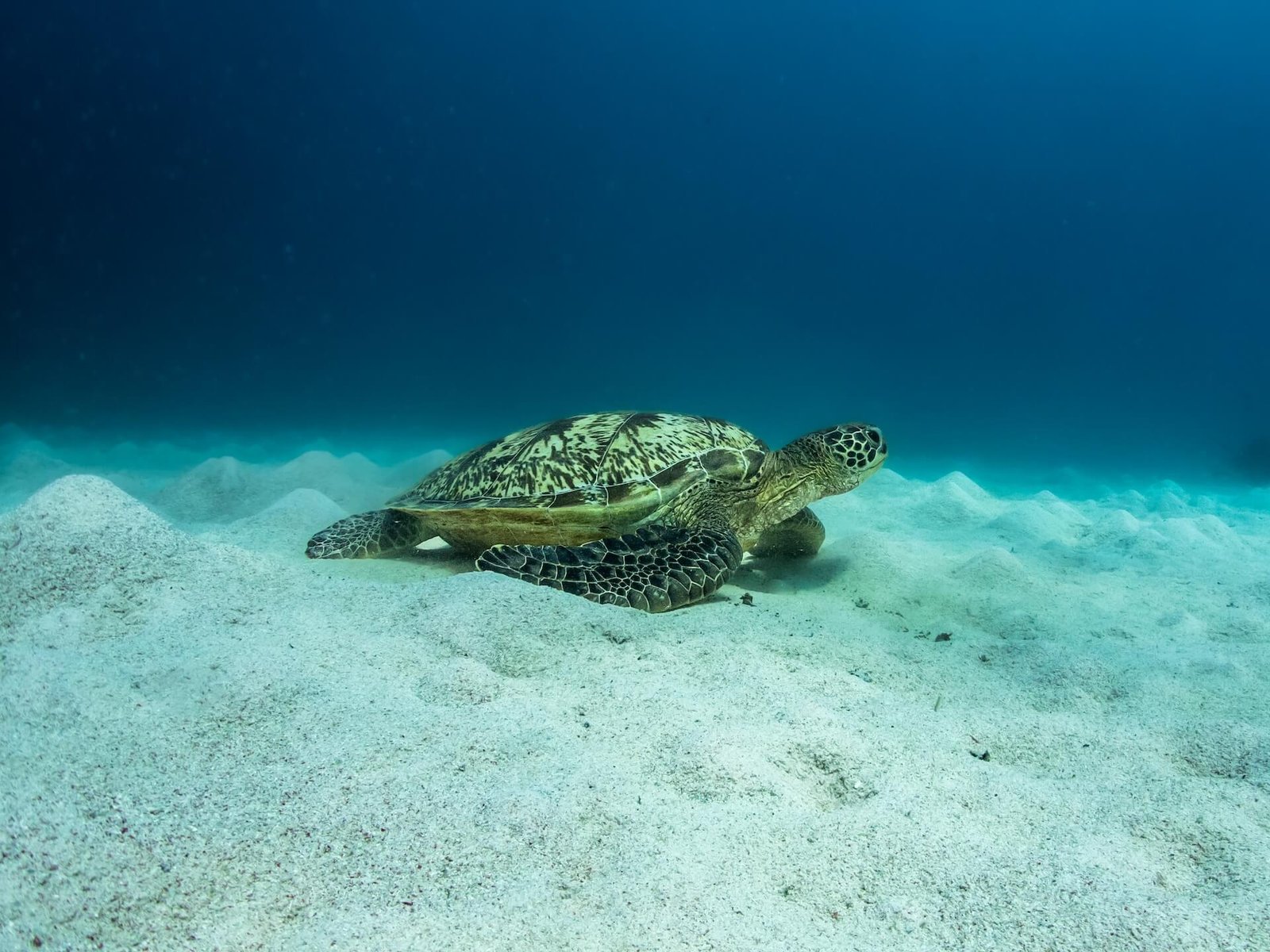
The region is home to the endemic Banggai cardinalfish, along with reef sharks, rays, turtles, and the occasional pelagic moving through the deeper channels. As you travel, you can move from sheltered bays to more exposed outer reefs, each area offering its own character — from coral gardens to sudden underwater cliffs dropping away into deep blue water.
Genuine ‘Off the beaten track’ Exploration
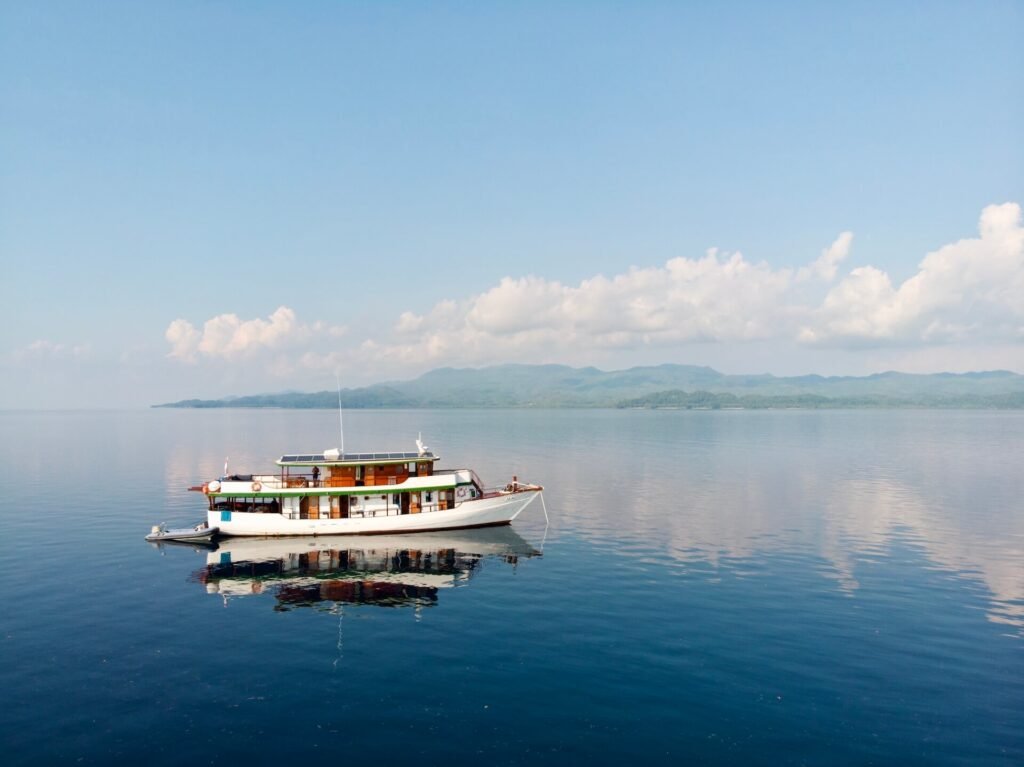
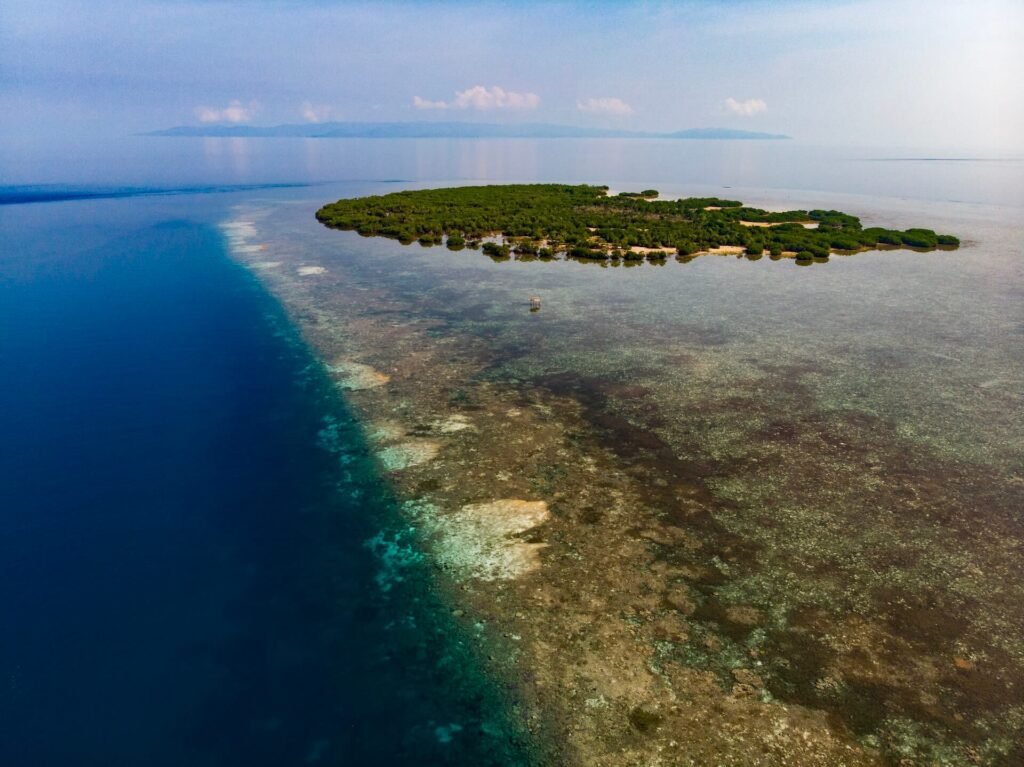
Departing from Luwuk, we set out with no fixed route — only a broad aim to move south through a string of islands toward the quieter reaches of the archipelago. Our goal was to reach the southern edge of the Banggai Archipelago, an area marked by a scattering of partially submerged atolls that we believed seldom see visiting dive boats.
We were looking for potential dive sites that may never have been dived before, guided only by the contours on a chart and the way the sea moved around each reef. The farther we travelled, the more remote it became.
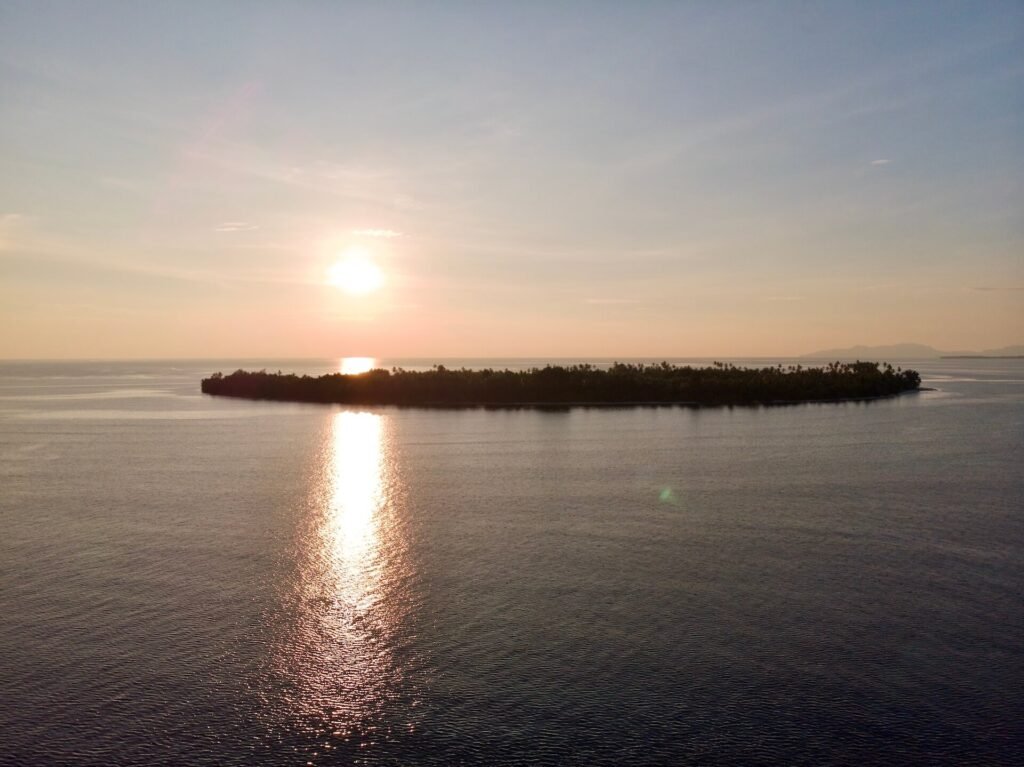
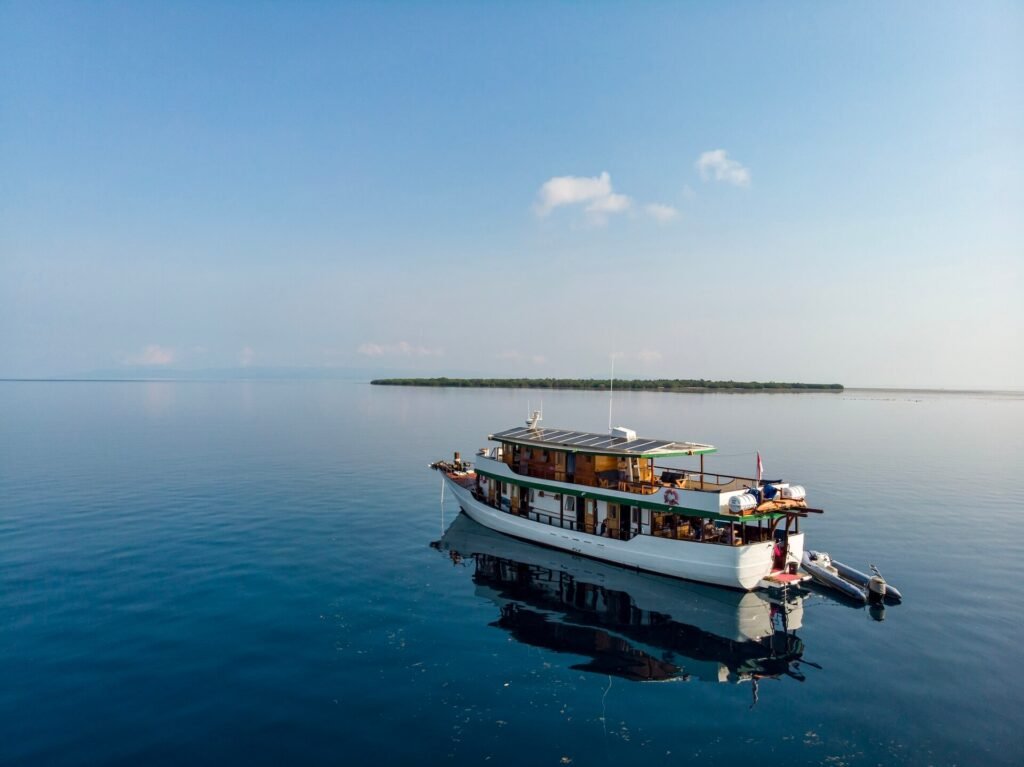
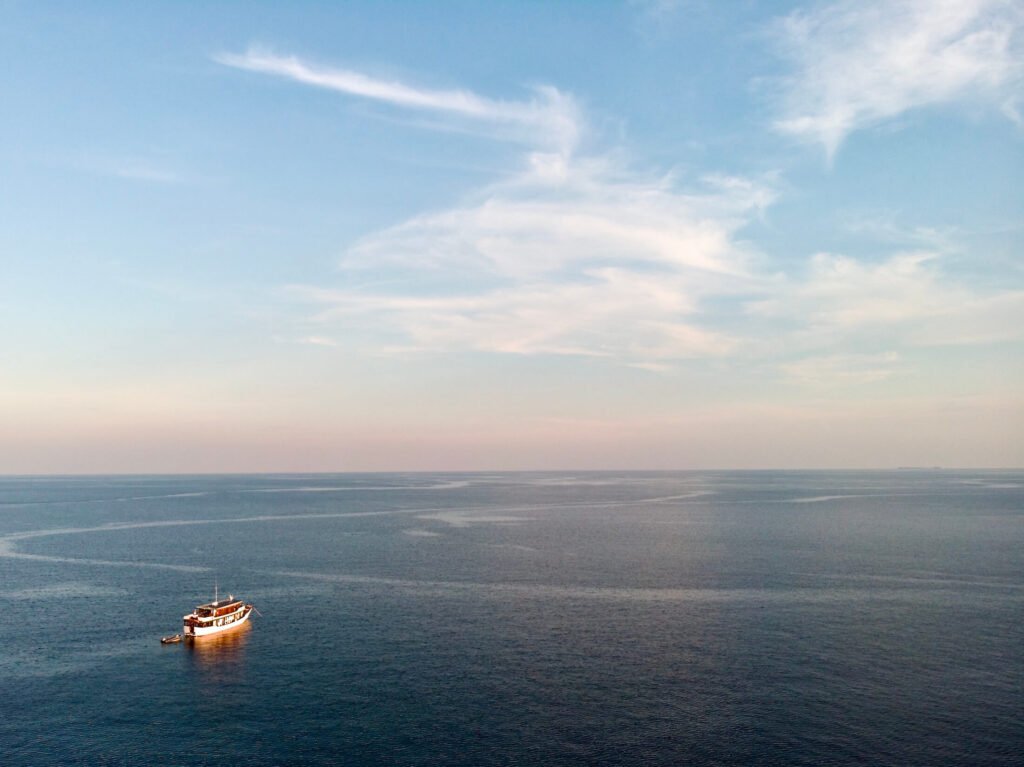
The Banggai islands stretch well beyond the usual reach of tourism boats, and on this voyage we didn’t encounter another one — just our boat, the ocean, and the quiet. Days passed with open water, islands and atolls in every direction, and nights brought still anchorages under star-filled skies.
Finding waters this empty is exactly the kind of experience Nomad Archipelago seeks out on its Discovery Cruises.
Chasing Walls & Drop Offs
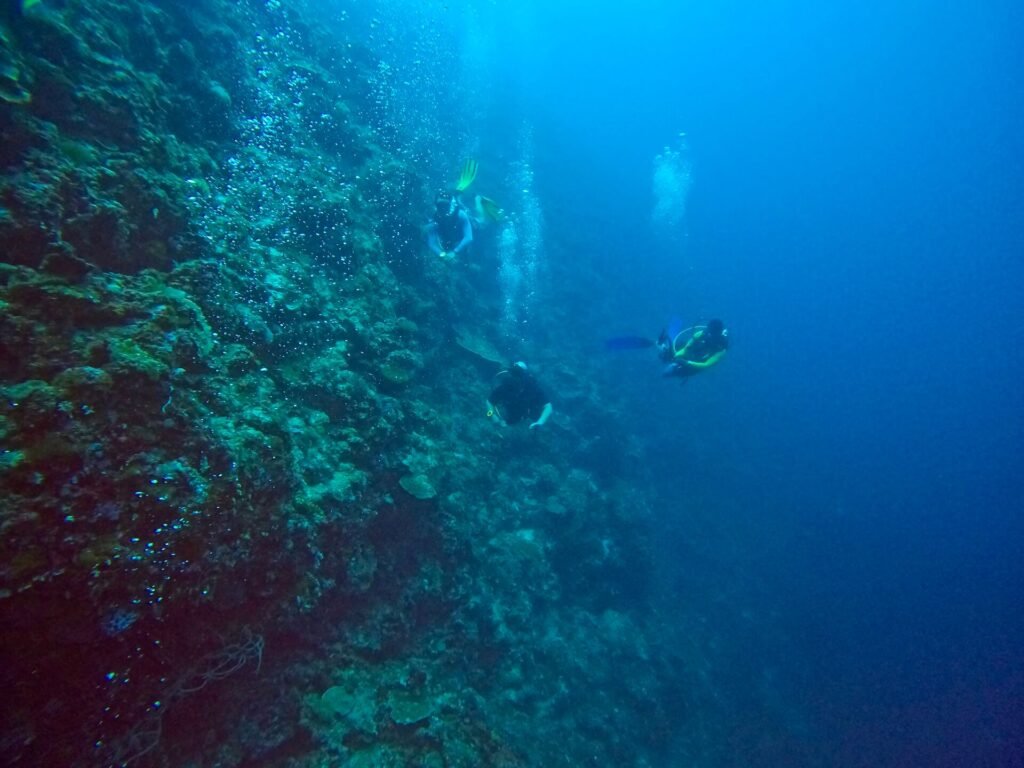
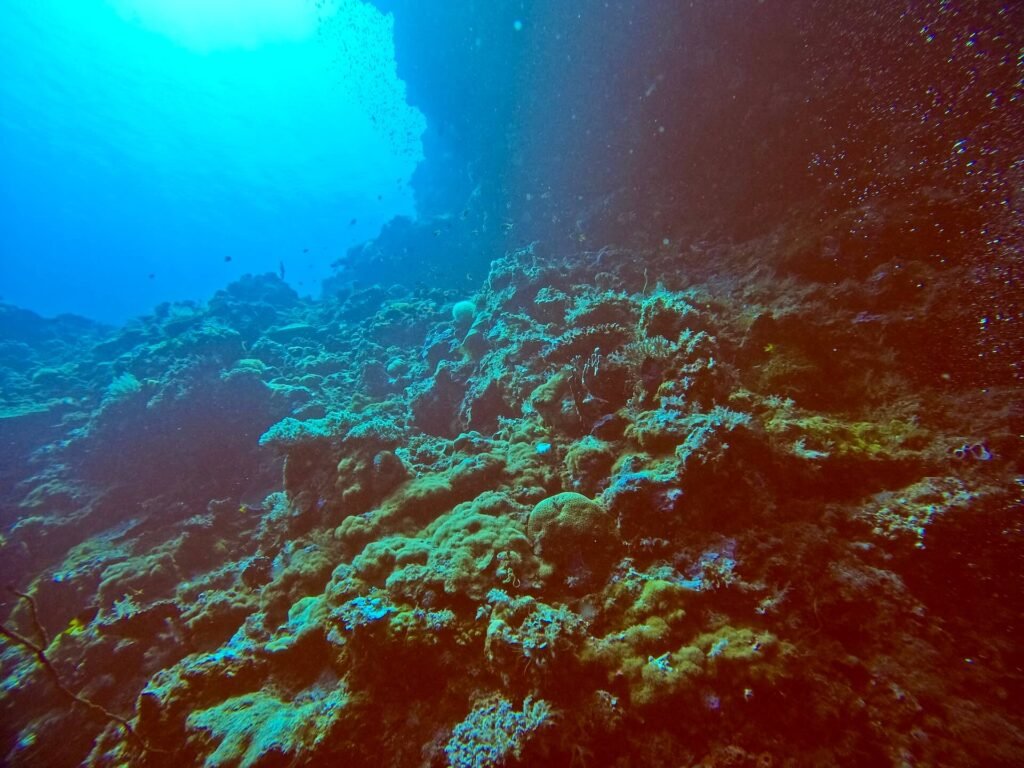
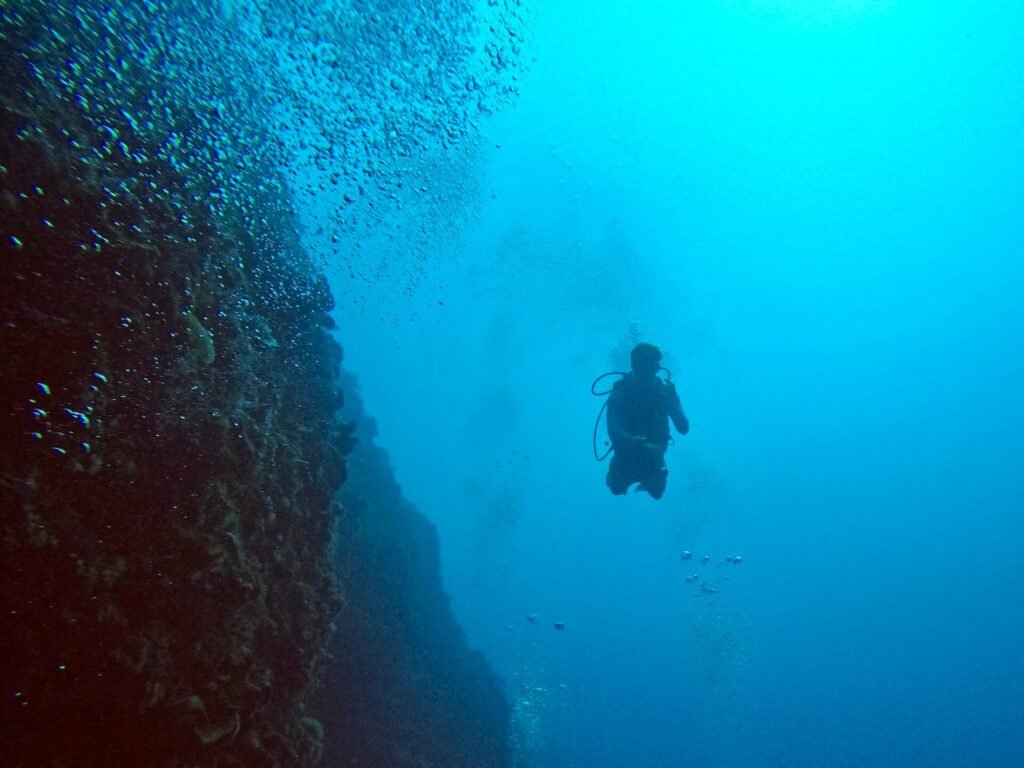
Much of our journey was spent searching for that perfect edge where the reef suddenly falls away. Google Earth and Garmin Navionics became our guides, helping us spot promising contours and steep underwater slopes. Some of the most striking places rose from nowhere — treeless atolls that disappear at high tide, with only a few stilted huts standing above the water where Bajau fishers rest between tides — To see the area we were exploring, click here.
Out here, we learn quickly that movement shapes everything. When the water is still, the reef feels quiet; when the current flows, the drop-offs come alive. On the days when conditions lined up, we saw whitetip reef sharks — including juveniles resting in caves — along with yellowfin and dogtooth tuna, a variety of snappers, turtles, batfish, and even a young tiger shark passing through the blue.
Getting Barbecued on the Beach
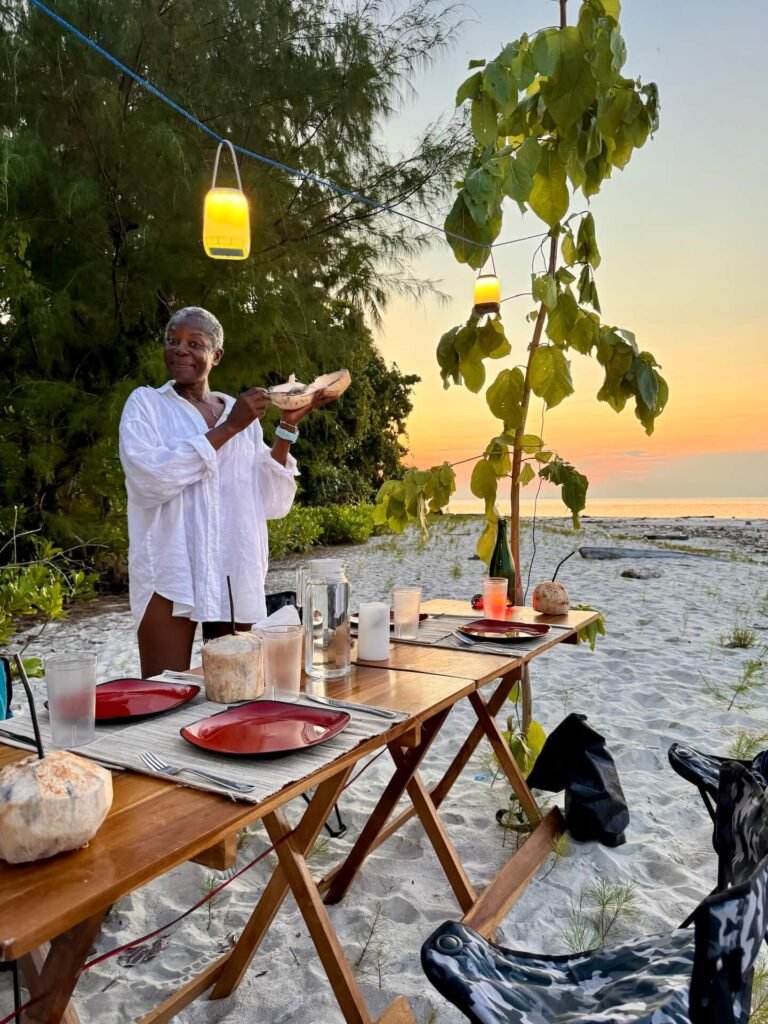
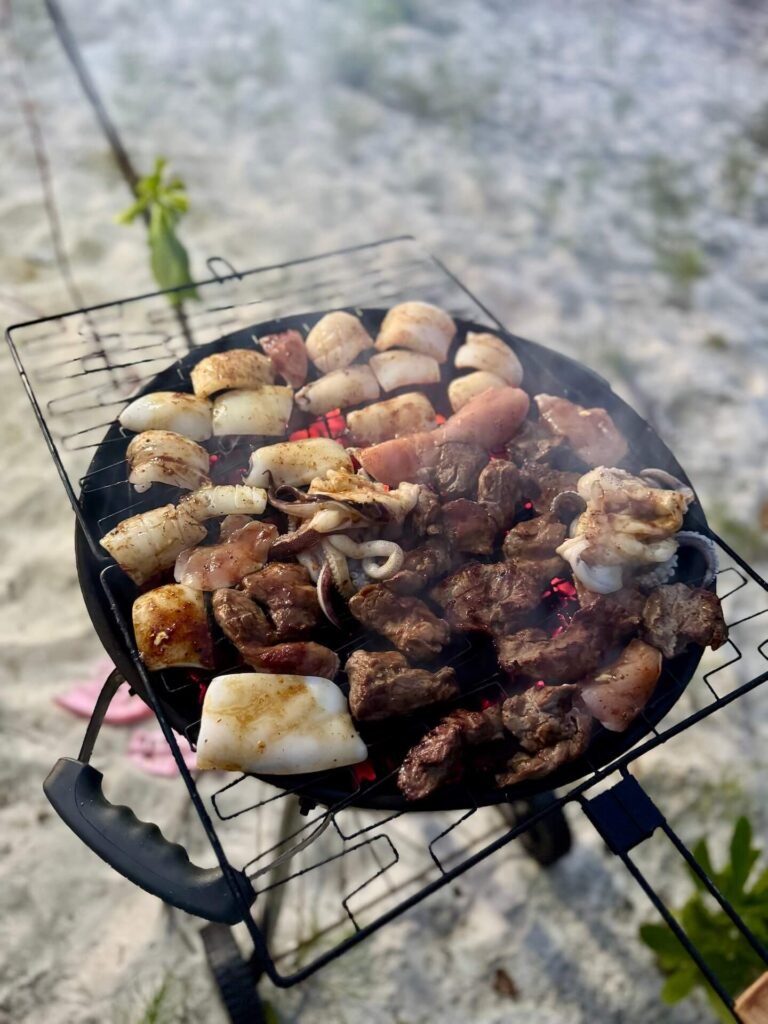
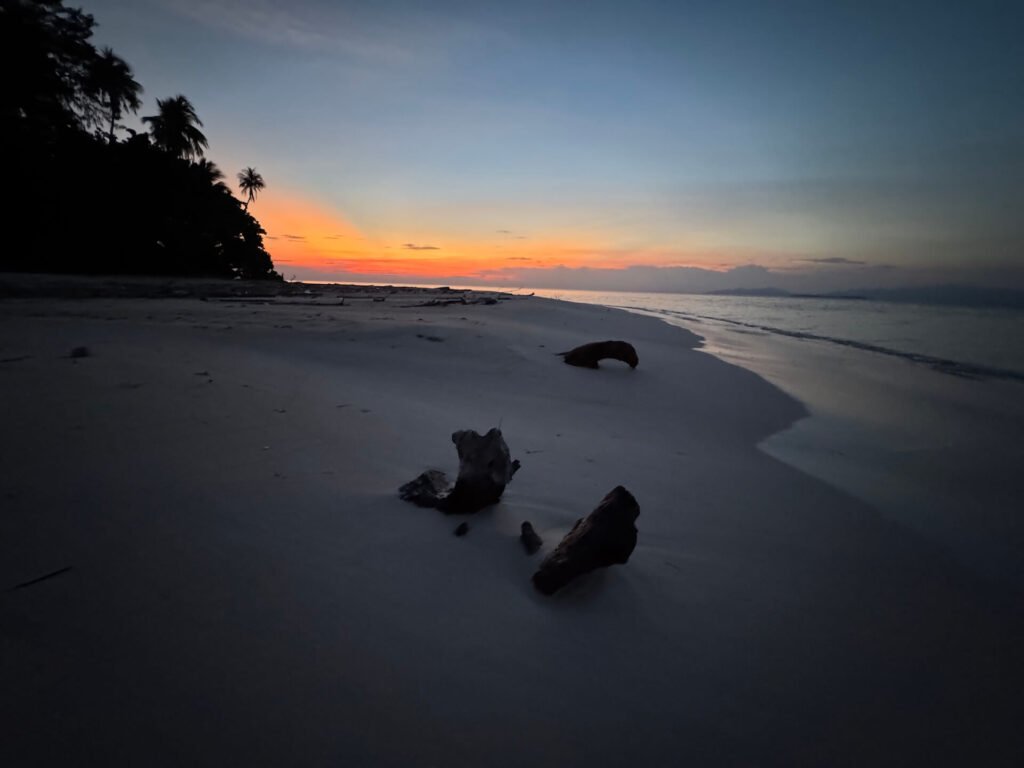
One evening the crew set up a long table on a quiet stretch of sand, hanging lanterns between the trees as the sky shifted through soft shades of orange and pink. Coconuts were opened, plates laid out, and the small grill began to smoke with squid, beef, chicken, and vegetables.
This isn’t a rare occasion — it’s something Nomad Archipelago aims to offer on every cruise when conditions allow. The crew handle it with their usual warmth, turning an empty beach into a relaxed dinner setting.
As the sun dropped behind the sea, we sat barefoot at the edge of the beach, eating grilled food straight off the barbecue, with rice and sambal served on banana leaves. The tide was gentle, the light was fading, and the voices around the table drifted easily into the night.
Simple, unhurried, and quietly memorable — the kind of evening that becomes part of the rhythm of travelling by sea.

Flying Fish for Sale
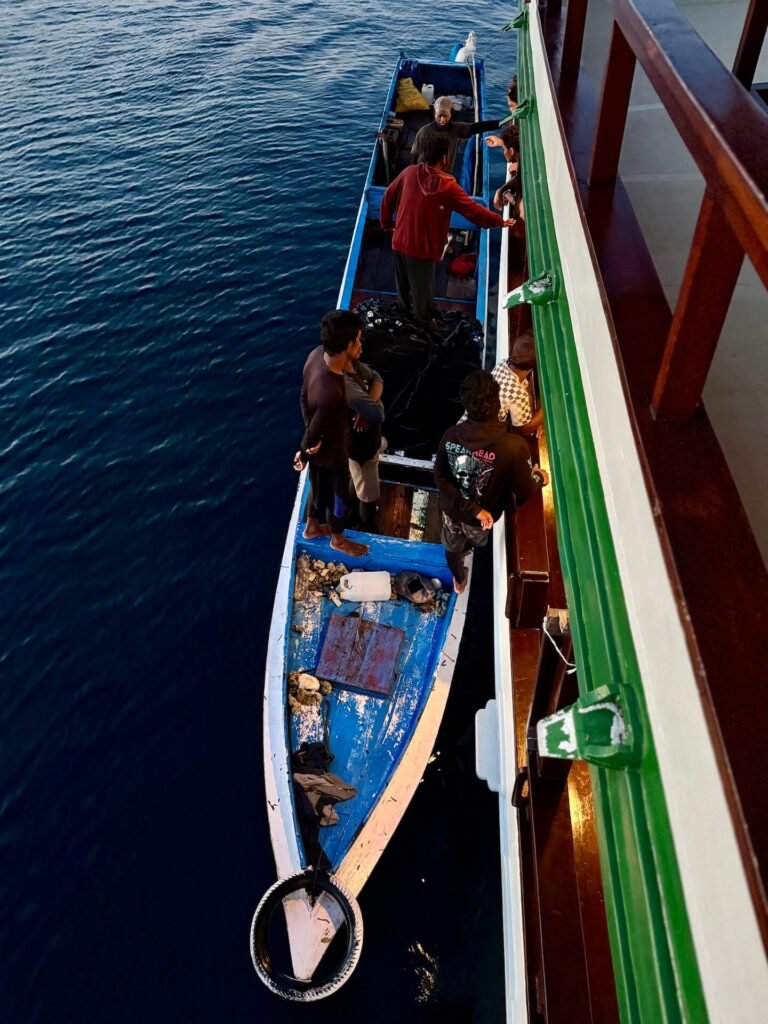
Late one afternoon, as the light softened over the water, a blue wooden boat pulled alongside us. A small group of Bajau fishers stood on the deck, their nets coiled neatly behind them and fresh flying fish arranged in silver piles across the worn planks. They greeted us with quiet smiles, holding up their catch for us to see.
We bought a selection of the fish — a simple way of supporting the communities who live and work across these islands — and handed them to the chef. Before long, the kitchen was preparing local dishes, including Sambal Roa, a regional favourite with a deep, smoky flavour that pairs perfectly with grilled fish.
Moments like this are part of travelling through Banggai: small wooden boats appearing out of the blue, genuine exchanges on the water, and seafood that moves straight from a fisherman’s hands to the table. It’s a brief meeting, but one that connects you to the people who know these seas better than anyone.

Exploring With Purpose
As remote as the Banggai Archipelago might be, it is not immune to the man-made pressures affecting marine environments across Indonesia. Unsustainable fishing practices pose a long-term threat to local community livelihoods and the health of these ecosystems, which is why Nomad Archipelago’s purpose is so important.
Each cruise is built around the idea of Explore with purpose, giving scuba divers and snorkellers the opportunity to transform their travel choices into meaningful impact while joining journeys committed to responsible and sustainable cruising.
100% of Nomad Archipelago’s proceeds support the protection of the ocean and the communities who depend on it. These contributions go directly into the work of Blue Alliance Marine Protected Areas, which operates in the Banggai region and across several other locations in Indonesia.
By travelling with Nomad Archipelago, you help fund reef patrols, ecological monitoring, local livelihoods, and long-term conservation — helping to ensure that remote places like Banggai continue to thrive for generations to come.
How to Get to Banggai Archipelago
Banggai is reached via Luwuk in Central Sulawesi. Daily domestic flights operate via Jakarta, Bali (Denpasar), Makassar, and Manado, making it easy to connect from elsewhere in Indonesia.
Schedules shift occasionally, but Garuda Indonesia, Batik Air, Citilink, and Lion Air commonly serve the route, with Makassar often being the most reliable hub for smooth connections. Once in Luwuk, it’s a short road transfer to the harbour before heading out into the islands.
Timing Your Flights to the Banggai
It’s best to arrive in Luwuk at least one day before embarkation, especially if you’re connecting from Jakarta or Bali. Weather delays and tight layovers are not uncommon, and giving yourself a buffer keeps the start of the trip relaxed. The same applies to departures — an overnight in Luwuk or Makassar makes onward travel worry-free.
The return trip follows the same route, usually with a quiet sense of having travelled through a part of Indonesia that very few visitors reach.
Words & Images Courtesy Gary Lotter