Never snorkeled before?
Don’t worry. You do not need to be a diver, an experienced swimmer or someone who already knows the names of every fish in the sea to enjoy snorkeling.
Whether you are heading to Komodo, Raja Ampat, the Banggai Archipelago or somewhere else in Indonesia, the basics are pretty simple: the right equipment, a little preparation and a crew that knows how to choose the right conditions.
The rest is mostly about relaxing and remembering to look down. And to follow your amazing Nomad Archipelago snorkeling guide!
Can beginners go snorkeling?
Yes. Absolutely.
Snorkeling is one of the easiest ways to experience the underwater world, and you do not need years of experience before getting in the water.
A good snorkeling trip should include sites that match the conditions and the people in the water. If you are new to snorkeling, take your time, stay close to the guide and ask for help whenever you need it.
There is no prize for swimming the furthest from the boat. Staying near your guide is also the best way for these experts to show you what beginners might have missed.
In fact, one of the easiest mistakes beginners make is trying too hard. Snorkeling becomes much easier when you stop fighting the water and let yourself settle into it.
What snorkeling equipment do you need?
Most boats provide the basics: mask, snorkel and fins. Both the Bugis and Bajau of course do. If you have your own equipment, however, bringing it is usually a good idea, especially your mask.
A mask that does not fit properly can leak, fog up or simply become uncomfortable after you have been wearing it for a while. Fins are generally easier because they can accommodate different foot sizes, while masks and snorkels are more personal.
If you are using equipment provided by the boat, try it before you leave.
A quick fitting test on deck is much better than discovering halfway through your first snorkel that your mask leaks every time you breathe.
Can you snorkel with contact lenses?
Usually, yes.
Contact lenses can generally be worn underneath a properly fitted snorkeling mask.
Regular glasses are different. They cannot be worn under a normal snorkeling mask because the frame prevents the mask from sealing properly.
If you need glasses to see clearly, a prescription snorkeling mask is the better option.
Do you need fins to snorkel?
Technically, no.
If you are a strong swimmer, you can snorkel without fins. But we recommend using them.
Fins make it easier to move through the water without using as much energy, and they are particularly useful when there is a current.
That does not mean you should use your fins to fight a strong current. The point is to help you move efficiently and stay in control.
How do you breathe when snorkeling?
This sounds obvious until you put a snorkel in your mouth for the first time.
The basic idea is simple: breathe slowly and deeply through your mouth.
If water gets into the snorkel, don’t panic. Blow sharply through the snorkel to clear the water through the top. It is worth practising this in shallow water before heading out to a deeper reef. Once you have done it a few times, it becomes second nature.
And if you swallow a little seawater while learning? Congratulations. You have officially been snorkeling.
How do you stop your snorkeling mask from fogging?
A foggy mask can ruin an otherwise beautiful snorkel.
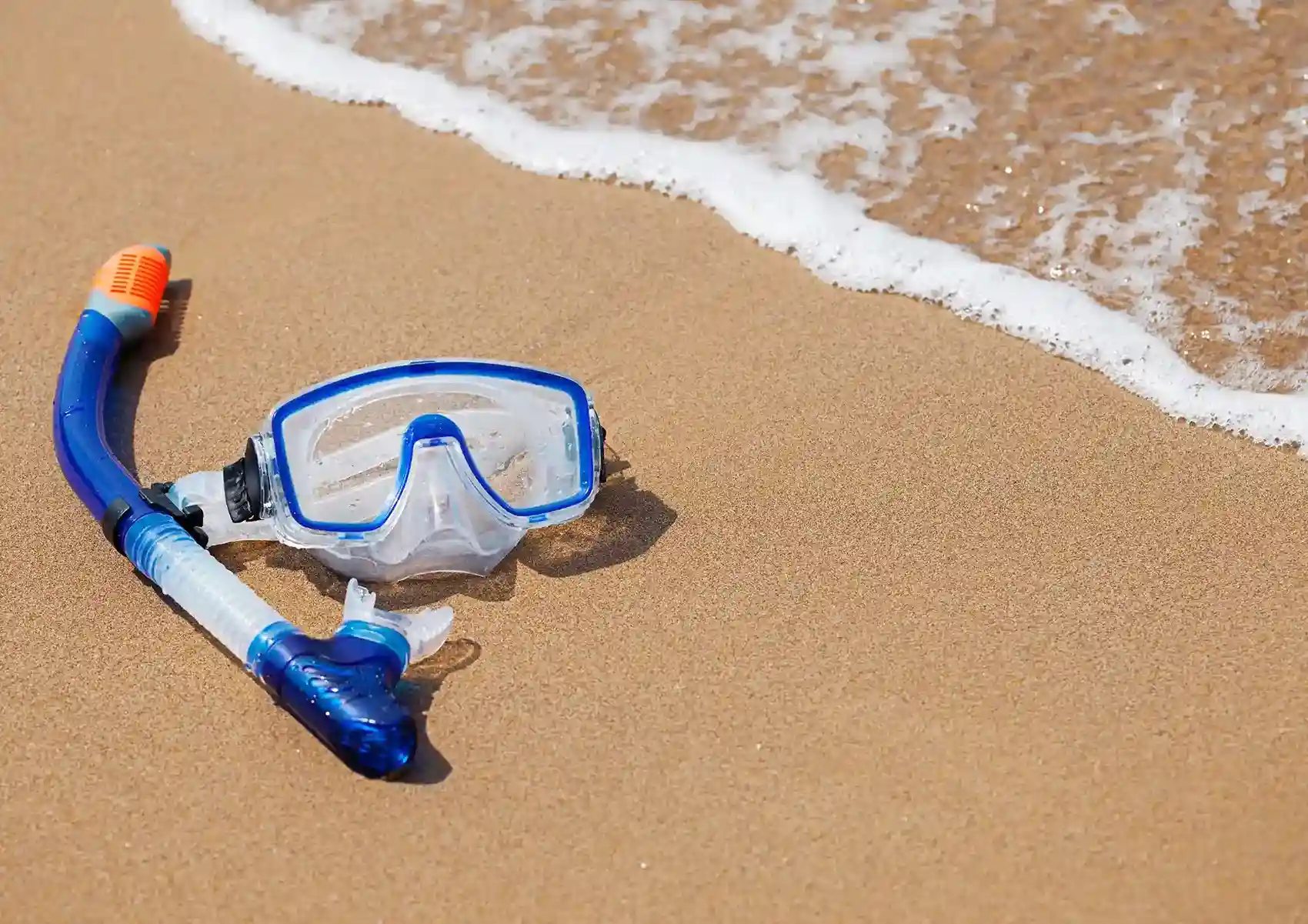
There are a few ways to prevent it:
- A traditional trick is to put a little saliva on the inside of the lens, rub it around and rinse the mask in seawater. A small drop of soap can also work.
- New masks can be particularly annoying because a thin silicone film left from manufacturing can cause them to fog repeatedly.
- Experienced snorkelers sometimes remove this film by very carefully heating the inside of the glass with a lighter. This should only be done with suitable tempered-glass lenses and by someone who knows exactly what they are doing. Never put a flame near a plastic lens, the silicone skirt or other parts of the mask.
- If you would rather avoid the lighter altogether, toothpaste can also be used to help remove the film.
It is much better to sort the mask out before getting in the water than spending your entire snorkel trying to see through a cloud.
Can children go snorkeling?
Yes, and it can be a fantastic family activity.
Children can start snorkeling once they are comfortable in the water and able to swim, with proper supervision.
As a general guideline, around five years old is often a practical minimum, although the right age depends on the child.
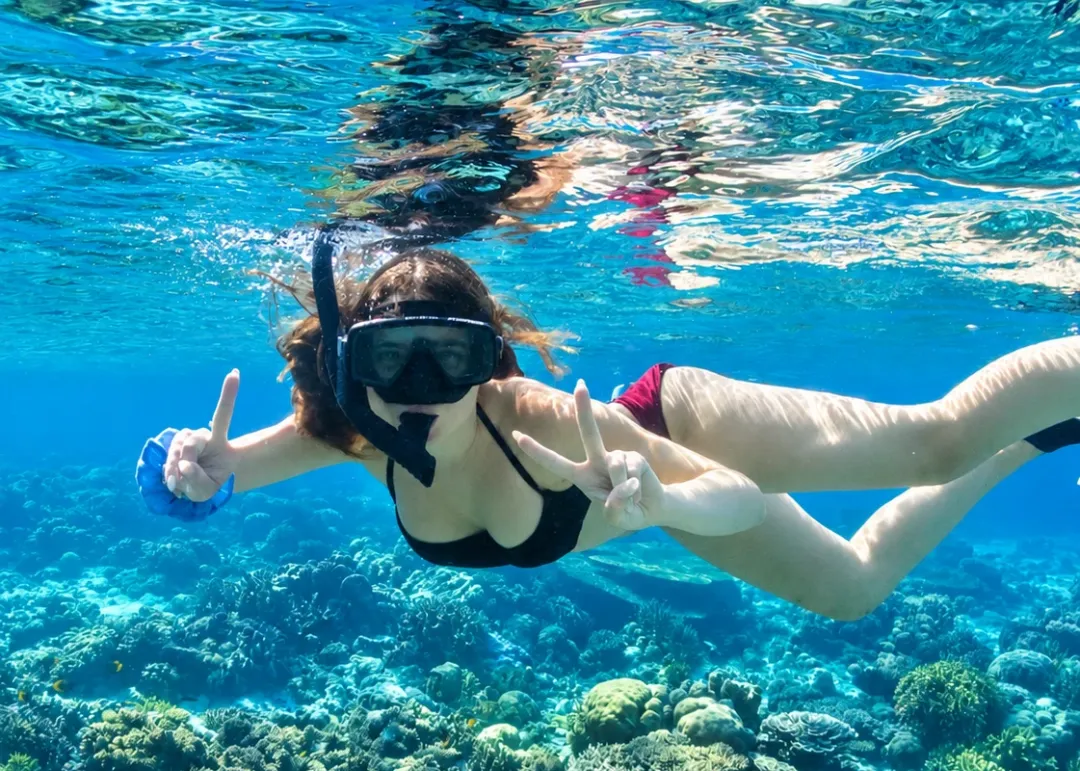
Having their own properly fitting mask and fins helps. If they are using equipment supplied by Nomad, make sure we have suitable sizes ahead of your trip.
The choice of snorkeling site matters just as much. We will choose calmer, easier sites for children rather than taking them straight into challenging conditions.
Snorkeling with kids should be fun, not an endurance test.
What should you wear for snorkeling?
You do not need a suitcase full of technical gear.
A few things are genuinely useful:
- A lycra or rash-guard style top for sun protection.
- Coral-safe sunscreen.
- Comfortable walking shoes or sneakers if your trip includes island hikes. Flip-flops are not ideal on rocky viewpoints.
- A waterproof bag for your phone, camera and personal items.
- Light, comfortable clothes for the daytime.
- A hat for the sun.
- A light sweater and long trousers if you are sleeping on deck. Even in Indonesia, evenings at sea can be surprisingly cool and windy.
That last one catches people out! You can spend the entire day thinking about how hot Indonesia is, then sit outside on deck at night with the wind coming across the sea and suddenly wish you had packed something warmer.
Do you need to be a good swimmer to snorkel?
You should be comfortable enough in the water to follow basic instructions, but you do not need to be an Olympic swimmer.
If you are not a confident swimmer, tell the crew before getting in. Seriously.
There is nothing embarrassing about it. It simply gives the guide the information needed to choose the right conditions and keep an eye on you.
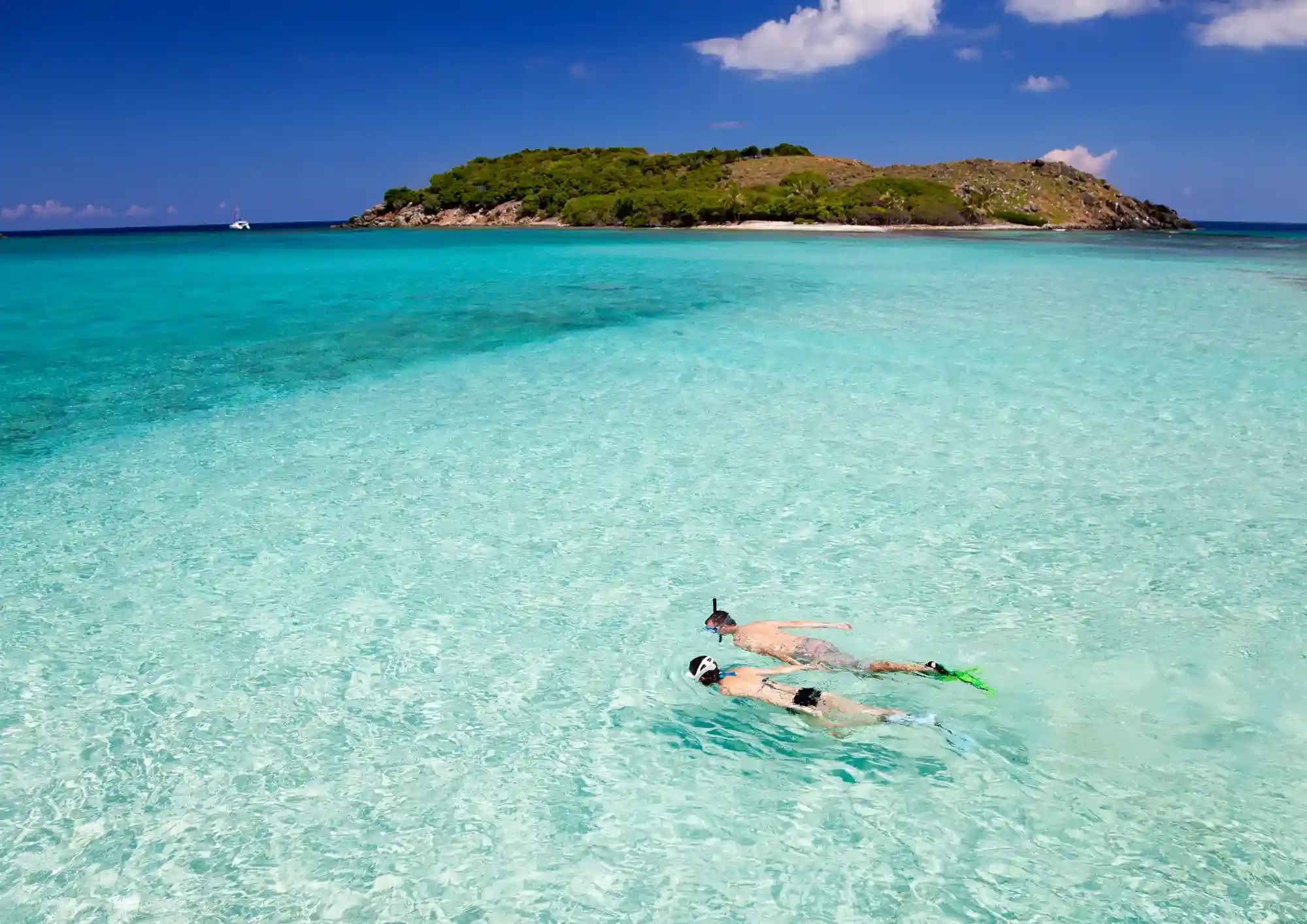
A floating aid can also make a big difference, especially for children or less confident swimmers. The goal is to enjoy the reef, not prove anything.
Are snorkeling currents dangerous?
Currents are something to respect wherever you are snorkeling, particularly in areas where strong tidal movements are part of what makes the marine environment so rich.
This is especially relevant in destinations such as Komodo, where currents can be an important part of the conditions. Other destinations have their own patterns and challenges.
The important thing is not to treat every snorkeling site as if it works in exactly the same way.
Listen to the guide’s briefing. Stay where you are told to stay. If the guide asks you to change direction or get back on the boat, do it.
The best snorkeling site on paper is not necessarily the best site for you on that particular day.
That is one reason an experienced crew matters.
Is snorkeling physically demanding?
It can be, especially if you spend several hours in the water every day.
That is another reason not to underestimate the value of fins, hydration and proper breaks.
A good snorkeling day does not mean being in the water continuously from breakfast until dinner.
Some of the best parts of a liveaboard trip happen between snorkels: lunch on deck, a walk on an island, watching the landscape change as the boat moves to the next anchorage.
There is no need to rush.
How long should you snorkel for?
There is no magic number.
It depends on the site, conditions, water temperature and how comfortable you are in the water.
If you are new to snorkeling, shorter sessions are often a good way to start. Once you are comfortable, you can stay in the water longer without exhausting yourself.
Listen to your body.
If you are cold, tired or struggling to keep up, get out of the water. There will be another reef.
What makes a good snorkeling trip?
This is where we think the boat and crew matter more than people sometimes realise.
A good snorkeling trip is not simply a dive trip where someone hands you a mask and says, “See you in an hour.”
The crew should understand snorkeling. They should know which sites work in which conditions, how to read the current, when visibility is likely to be good and when it makes more sense to change plans.
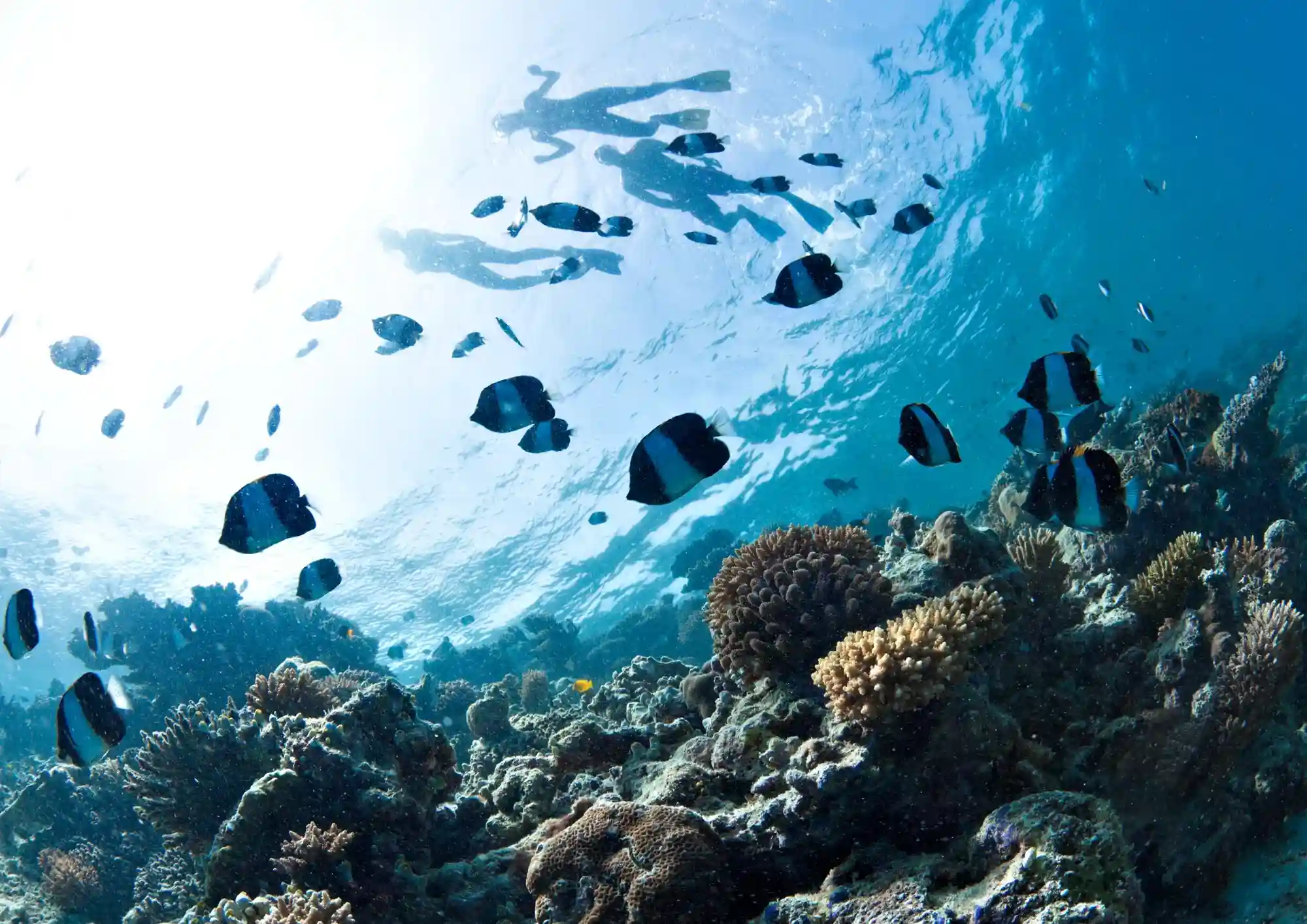
The boat should make getting in and out of the water easy. The equipment should fit. The itinerary should leave enough time to actually enjoy the places you came to see.
And ideally, the trip should not feel like a race from one location to the next.
That is a big part of how we approach snorkeling at Nomad Archipelago. Whether the itinerary takes us through Komodo, Raja Ampat, Banggai or another part of Indonesia, the idea is the same: give people time in the water, choose the sites according to conditions and let the destination set the pace.
Because snorkeling is not complicated.
The difficult part is making sure everything around it is done properly.
Once that is taken care of, you just put your face in the water, take a breath and see what is underneath.